
Sickle Cell Disease Research
and Training University of
Abuja
Sickle Cell Disease Research
and Training University of
Abuja
PACTS Dissemination and Stakeholder Engagement Meeting: 4-Year Impact
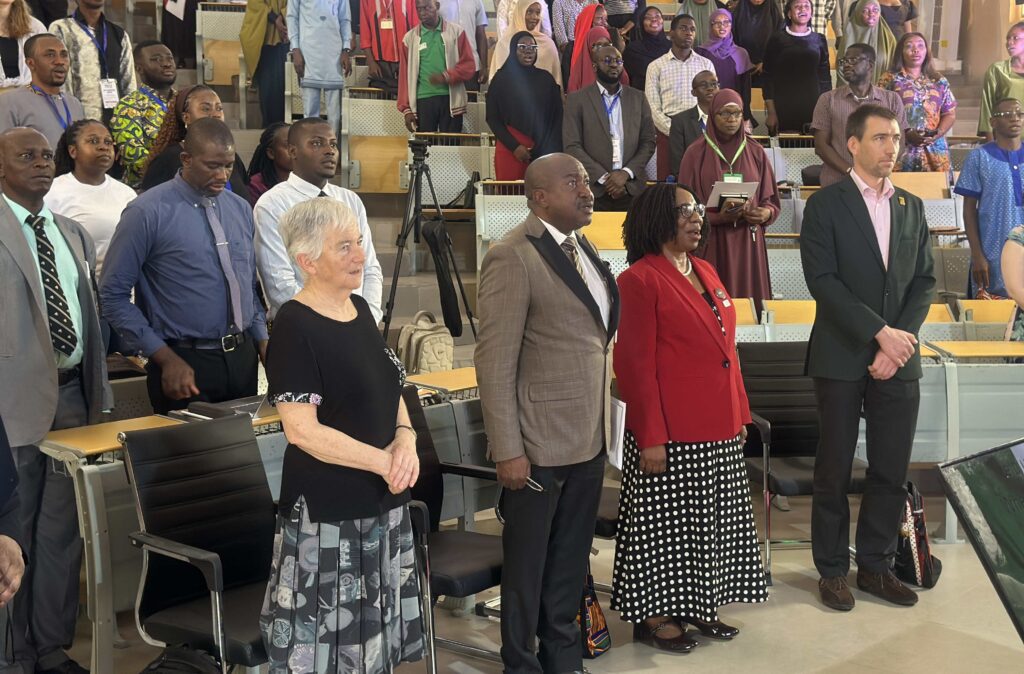
On April 29, 2026, over 300 researchers, policymakers, healthcare providers, and community advocates gathered at the University of Abuja for the Dissemination and Stakeholder Engagement Meeting of the Patient-Centred Sickle Cell Disease Management in Sub-Saharan Africa (PACTS) programme.
Organized under the auspices of the Centre of Excellence for Sickle Cell Disease Research and Training (CESRTA), the event showcased the achievements of the four-year programme and charted a roadmap for translating implementation research into sustainable policy.
The Vice-Chancellor’s Urgent Call to Action
The meeting was officially opened by the Vice-Chancellor of the University of Abuja, Prof. Hakeem Babatunde Fawehinmi. Speaking from his perspective as both an academic leader and a medical doctor, he underscored the life-and-death significance of the gathering. Highlighting the harrowing reality of the disease, he reminded the audience that approximately 150,000 children are born with sickle cell disease annually in Nigeria alone—often facing a lifetime of severe pain and inadequate care in resource-poor settings.
After commending the Director of CESRTA, Professor Obiageli Nnodu, and her team for four years of rigorous, community-grounded research, the Vice-Chancellor challenged the attendees—including international academics, government officials, civil society, and the media—to look beyond mere scientific discovery.
He stressed that as the programme enters its final phase, the evidence generated must translate into tangible results. He demanded a focused roadmap, concrete commitments to policy reform, sustainable funding, and meaningful, on-the-ground implementation to support the families waiting for relief. Recognizing the distinguished guests and partners, Prof. Fawehinmi then spoke on behalf of the University’s Governing Council (led by Senator Dr. Larry Joshua), the senate, staff, and students, to officially declare the meeting open.
Program Milestones
Led by the Liverpool School of Tropical Medicine in partnership with institutions across Nigeria, Ghana, and Zambia, the PACTS programme utilized implementation science to address local barriers to quality SCD care. Major program achievements include:
- Screening over 35,000 newborns for SCD through collaborative initiatives.
- Establishing one of the largest SCD patient cohorts in Nigeria.
- Successfully linking early-diagnosed children to sustained, comprehensive care.
- Strengthening institutional capacity through PhD, fellowship, and professional training programs.

Core Findings by Work Package
The meeting presented actionable findings across four primary research areas:
- Implementation Research & Health Systems: Working through community-driven Participatory Action Cycle (PAC) teams, the project identified and dismantled system-level barriers to care. A major victory was successful advocacy that improved the availability of hydroxyurea in participating facilities and engaged health authorities to include the medication within health insurance frameworks.
- Epidemiology and Geospatial Mapping: Household surveys and facility data revealed that geographical and socioeconomic barriers—specifically transportation costs, travel time, and distance—severely impact healthcare access. These challenges frequently lead to missed school days and financial strain, highlighting the urgent need to factor geographical accessibility into future service and referral planning.
- Media and Journalism: To combat stigma and misinformation, the programme analyzed historical media coverage and established active journalist-researcher networks. By training media professionals alongside clinicians and producing community radio dramas, the project created a sustainable infrastructure for accurate public health communication.
- Capacity Strengthening: PACTS heavily invested in the future by training healthcare workers, journalists, and researchers. The programme also successfully developed and integrated essential safeguarding policies into institutional and national research systems.
Community Voices and Stakeholder Action
A cornerstone of the event was prioritizing the voices of patients, caregivers, and “Warriors.” Caregivers shared powerful testimonies on how newborn screening and consistent programme support kept their children healthy and crisis-free for years.
Stakeholder discussions underscored the value of patient-centered care and generated commitments to continue collaboration beyond the project’s funding lifespan. Notably, representatives from the Federal Radio Corporation of Nigeria pledged ongoing support for public awareness campaigns using their broadcasting platforms.
Strategic Recommendations for the Future
To sustain the momentum generated by the PACTS programme, stakeholders agreed on several critical action items:
- Scale up newborn screening and strengthen linkage-to-care systems nationwide.
- Improve the affordability of hydroxyurea through national procurement and health insurance mechanisms.
- Leverage modern platforms (including digital media like TikTok and Instagram) alongside traditional channels to engage youth and boost public awareness.
- Integrate proven PACTS interventions into routine, day-to-day health service delivery.
- Sustain cross-sector collaborations among government agencies, academia, civil society organizations, and patient advocacy groups.
Sickle Cell Disease Research
and Training University of
Abuja
About us
Twitter Feeds
Copyright © 2024 CESRTA. All rights reserved.